Choose a morning desert safari in Dubai if the priority is a shorter, activity-first outing with an earlier return. Choose an evening desert safari if the priority is sunset photos, dinner, and camp atmosphere. The right timing depends less on the package label and more on heat exposure, light, meals, entertainment, and transfer windows.
Is a morning or evening desert safari better for Dubai visitors?
A morning desert safari suits Dubai visitors who want a compact schedule, fewer moving parts, and dune activities before the day becomes hotter. An evening desert safari suits visitors who want sunset, dinner, and a fuller camp programme. The better choice depends on travel month, hotel location, heat tolerance, and transfer format.
- Families with young children: choose morning if early bedtime matters; choose evening if children can manage a later return.
- Photographers: choose evening if the package includes a planned sunset stop; choose morning only if dune arrival is early.
- Business travelers: choose morning if the afternoon must stay open for meetings, checkout, or flights.
- Heat-sensitive visitors: compare the month, pickup time, shade, and outdoor waiting time before comparing price.
- Short stopovers: choose morning for tighter time control, especially with private transfers.
Dubai safari timing should be checked in local time, not as a generic “morning” or “evening” label. The Dubai sunrise and sunset reference page identifies Dubai City at latitude 25.077250, longitude 55.309269, in the UTC+4 time zone, which is the time basis visitors should use when checking daylight and pickup expectations on the Dubai sunrise and sunset page.
Morning safari is the cleaner choice for short schedules and activity-first plans
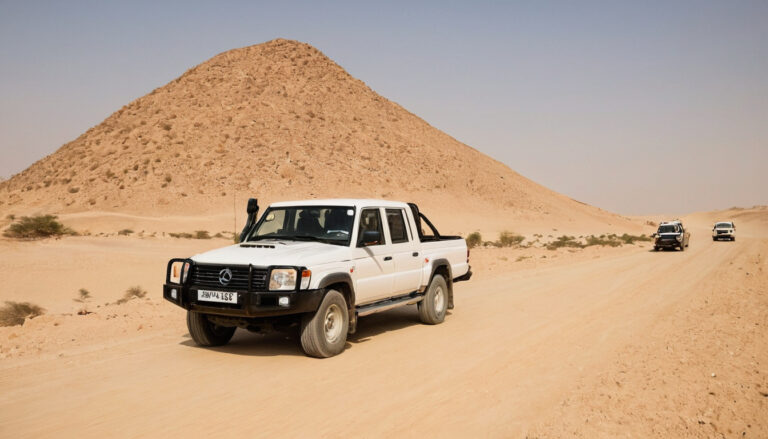
A morning safari is usually the cleaner booking if the visitor wants dune time without a full camp evening. Many morning packages use early hotel pickup and return before or around midday, depending on hotel location, shared routing, and optional activities.
Morning itineraries usually focus on movement: hotel pickup, drive to the desert, dune bashing or a gentler dune drive, a short camel ride or camel photo, sandboarding, photo stops, refreshments, and return transfer. Quad biking, dune buggies, falcon photos, or breakfast may be add-ons, so the booking page should show inclusions clearly.
The trade-off is simple. The visitor gets a compact desert experience and protects the rest of the day, but usually gives up sunset, buffet dinner, longer camp seating, and live entertainment.
Evening safari is the stronger choice for sunset, dinner, and camp atmosphere
An evening safari is usually stronger if the visitor wants the classic Dubai desert safari sequence: afternoon pickup, dunes, sunset stop, camp arrival, dinner, entertainment, and night return. Shared transfers are usually cheaper but may add hotel-to-hotel pickup time. Private transfers give better control for families, flight nights, and guests staying far from common pickup zones.
Evening packages often carry more inclusions, but those inclusions need checking. Dinner, camp seating, live shows, camel rides, and sandboarding can vary by package tier, season, and operator policy. The next practical question is how desert heat changes comfort across morning, pre-sunset, and after-sunset hours.
How does Dubai desert heat change the morning and evening safari experience?
Heat is the main practical difference between morning and evening desert safaris in Dubai, especially from late spring through early autumn.
| Safari timing | Heat pattern | Practical effect | Best planning move |
|---|---|---|---|
| Morning safari | Cooler at pickup and early dune time, then warmer after mid-morning | Better for dune bashing, sandboarding, and short photo stops when the itinerary starts early | Choose the earliest suitable pickup in hot months |
| Evening before sunset | Starts after peak daytime heat, but sand and vehicle interiors can still feel hot | Comfort depends on shade breaks, hydration, wind, and waiting time | Check shaded waiting areas before camp |
| Evening after sunset | Heat drops gradually, not instantly | Camp seating, dinner, and shows become more comfortable than direct-sun dune stops | Dress light for early evening and add a layer in cooler months |
| Winter evening | Daytime is milder, but wind and open-air seating can feel cool after dark | Longer camp programmes become easier for families and older travelers | Carry a light jacket or shawl |
Summer timing should be judged by heat exposure, not only package price
Dubai’s summer safari decision should start with exposure time. The Climate of Dubai summary describes Dubai as having a hot arid desert climate, with summer running roughly from the last week of April to the first week of October and marked by extremely hot weather, hot winds, and high humidity.
Published climate data for Dubai lists mean daily maximum temperatures above 39 °C from June through September, with August peaking at 42.1 °C. The same source says summer temperatures regularly exceed 38 °C and can fall only to around 26 °C overnight, so a late-afternoon departure is not the same as a cool-weather departure.
Morning safaris reduce time spent in late-day heat, but they do not remove heat risk. Visitors planning dune bashing, quad biking, sandboarding, or repeated photo stops should judge the package by pickup time, air-conditioned transfer time, shade, and the length of each outdoor stop. Children, older adults, pregnant travelers, and guests with heart, respiratory, back, neck, or mobility concerns should ask about restrictions before payment.
How does Dubai desert heat change the morning and evening safari experience shown with outdoor scale and terrain cues.
Winter timing gives more flexibility but can feel cool after sunset
Dubai winter gives visitors more room to choose by itinerary rather than heat avoidance. The same climate summary describes winter as running roughly from late October to mid-April, with most precipitation occurring in that season. Its monthly mean daily maximums show January at 24.0 °C and December at 26.0 °C, far below the summer peak.
Evening safaris in winter often feel comfortable during dune stops and camp arrival, but open desert seating can feel cool once the sun drops and wind picks up. A light jacket, scarf, or long-sleeve layer is practical, especially for children.
Daylight also changes the planning margin. The Dubai sunrise and sunset page states that the 2026 winter solstice has a daylight length of 10 hours and 37 minutes, while the 2026 summer solstice has 13 hours and 44 minutes. Shorter winter daylight makes the sunset stop and camp transfer sequence tighter.
Heat comfort checklist for either safari timing
- Wear breathable clothing, closed shoes for sand, sunglasses, and a hat.
- Drink water before pickup and keep water accessible during transfer and camp time.
- Ask where guests wait between dune bashing, camel riding, quad biking, and camp entry.
- Reduce outdoor activity if dizziness, headache, nausea, cramps, or unusual fatigue appears.
- Book private transfers if heat-sensitive travelers may need shorter waits or an earlier return.
After heat, the next timing difference is visual: the same dune can look flat in harsh light, textured in early morning, and warm near sunset.
Which desert safari timing gives better photos in Dubai?
Evening safaris usually offer the most reliable desert photo sequence because many itineraries include golden-hour dunes, sunset, and camp lighting. Morning safaris can produce clean, bright images and quieter dune scenes, but sunrise photography depends on very early pickup, operator routing, and seasonal sunrise time.
Morning photos work best when the itinerary reaches the dunes early
Morning desert photography works best when the vehicle reaches open dunes while the sun is still low. That early light gives dune ridges shape, keeps shadows useful, and makes faces easier to expose than in hard overhead light.
A standard morning safari is not automatically a sunrise safari. Many morning products are built around dune bashing, sandboarding, short camel rides, and a return before stronger heat. That structure can suit family photos and action shots, but it may miss the softest light if pickup starts after dawn or hotel routing takes time.
Visitors should check the travel date before treating an early package as a photo package. The U.S. Naval Observatory sunrise and sunset table service states that generated tables provide requested times in local standard time using a 24-hour clock. For a Dubai example, the Dubai sunrise and sunset calendar lists June 1, 2026 sunrise at 5:27:31 am. A sunrise-focused guest needs an itinerary that allows for hotel pickup, road transfer, and the drive from the paved road into the desert.
Evening photos work best when the package includes a sunset stop before camp
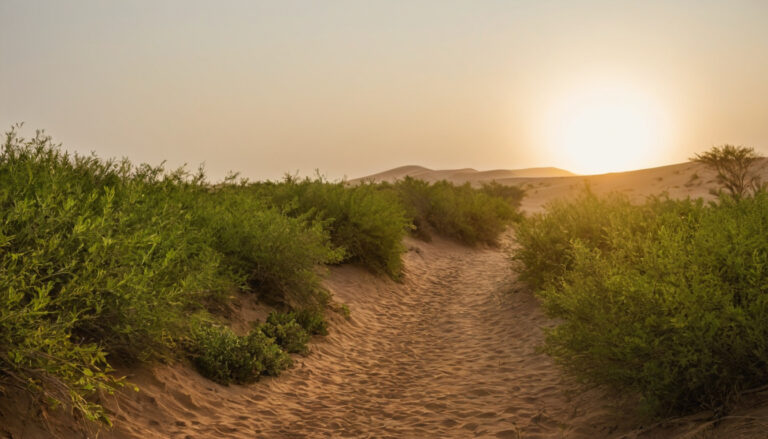
Evening photography is more predictable because the strongest sequence often matches the itinerary: dune drive, pause on the sand, sunset photos, then camp. The light becomes lower and warmer before sunset, then camp lighting gives a second set of images with lanterns, dining areas, shows, and darker sky.
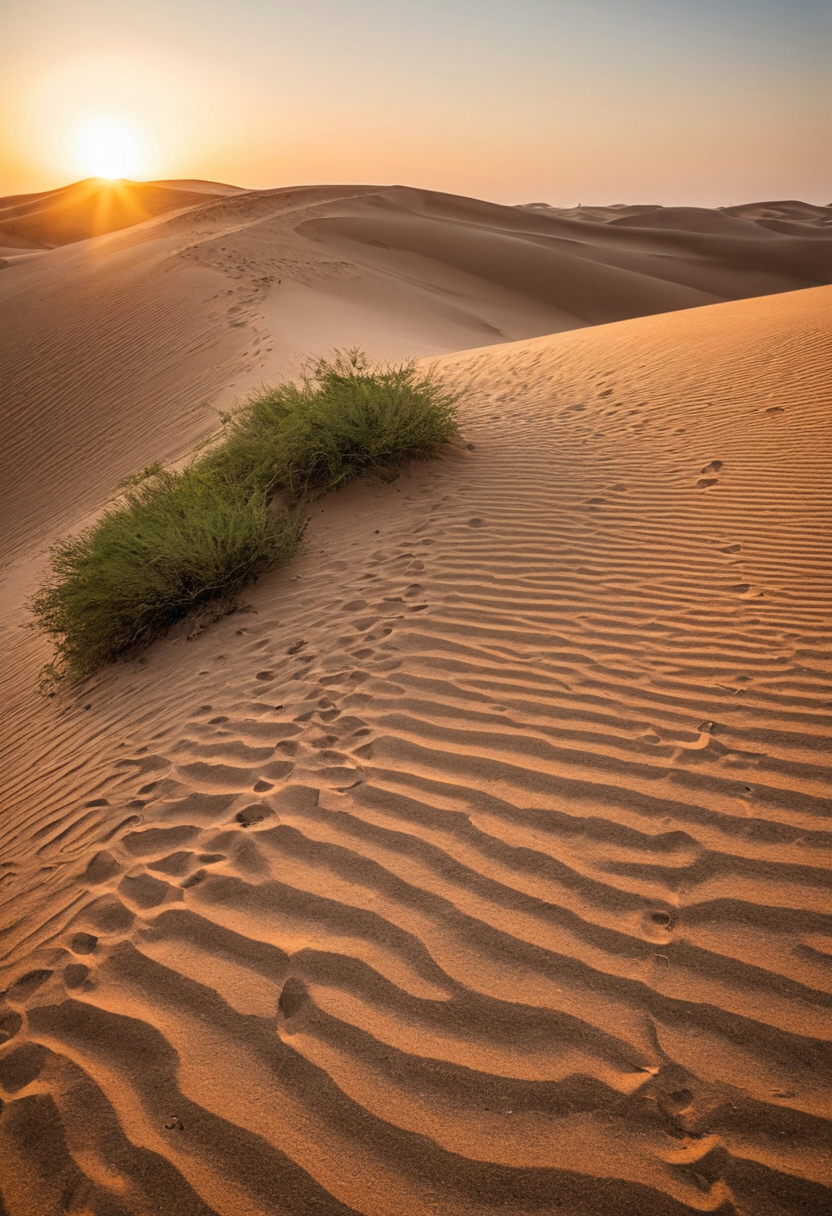
Which desert safari timing gives better photos in Dubai shown as a landscape planning reference.
The key booking detail is the dedicated sunset stop. A photo-friendly evening safari should state that the vehicle stops on the dunes before camp, not only that the tour includes dinner. If the route goes straight to camp or the stop depends on timing, the photo value shifts from dune landscapes to camp portraits.
Seasonal sunset time affects pacing. The same Dubai calendar lists June 1, 2026 sunset at 7:05:41 pm, with early-June sunset times after 7:05 pm, so summer evening itineraries can run later than visitors expect. Once the photo priority is clear, the full itinerary structure should be checked next.
How do morning and evening desert safari itineraries differ in Dubai?
Morning safari itineraries in Dubai are usually built around driving, dunes, and short activities, while evening safari itineraries usually add camp time, dinner, and entertainment. The exact difference depends on package tier, area rules, private versus shared transfer, and optional activities.
Morning safari itinerary elements are usually shorter and more activity-focused
A standard morning safari usually moves quickly: hotel pickup, desert drive, dune bashing where permitted, a short photo stop, sandboarding, a brief camel ride or camel photo, and return transfer. The main value is time control. Visitors who want the desert without giving up the rest of the day usually fit this format better.
Morning add-ons need closer checking because package names often hide duration. Sandboarding may be a short included activity. Camel riding may be a brief loop unless the package states otherwise. Quad biking, dune buggy driving, and extended camel trekking are often paid extras, and operators may apply age, health, or safety restrictions.
Evening safari itinerary elements usually depend on camp programming
An evening safari usually has more moving parts: pickup, desert arrival, dune drive, sunset stop, camp entry, camel photo or short ride, refreshments, dinner, live shows where scheduled, and return transfer. This timing suits visitors who want the desert to feel like a full evening plan.
Evening quality varies more because the camp matters. A basic shared camp may focus on buffet dinner and group seating. A premium package may include better seating, table service, upgraded food, or a quieter camp layout. Entertainment can also vary by season, cultural calendar, operator policy, and local permissions, so dinner and show details should be confirmed in writing.
Private transfers change both morning and evening safari timing
Shared transfers help price, but they can add waiting time because pickups may cover several hotels across areas such as Downtown Dubai, Dubai Marina, Deira, Palm Jumeirah, or Business Bay. Private transfers reduce that uncertainty and make the itinerary easier to align with flights, restaurant bookings, children’s bedtimes, or cruise schedules.
A private morning safari can return earlier if the guest skips add-ons. A private evening safari can sometimes leave camp sooner after dinner, subject to operator rules and route safety. Before paying, check pickup zone, meeting point, drop-off location, remote-area charges, and whether airport or cruise-terminal transfers are accepted.
What should Dubai visitors check before booking a morning or evening desert safari?
Dubai visitors should check the exact pickup window, activity duration, meal inclusion, camp arrival time, sunset timing, cancellation rules, and health restrictions before choosing a morning or evening safari.
Booking checklist for morning safari packages in Dubai
- Confirm pickup and drop-off. A morning safari protects the rest of the day only if the return time suits lunch, meetings, checkout, or airport movement.
- Ask whether sunrise is included. “Morning desert safari” often means desert access after sunrise, not a sunrise dune stop.
- Separate inclusions from paid add-ons. Quad biking, longer camel rides, and extended sandboarding may be optional.
- Check refreshments. Some morning listings include water or soft drinks only, while others mention breakfast or a refreshment stop.
- Read health and age restrictions. Dune bashing, quad biking, camel riding, and sandboarding may not suit pregnant guests, very young children, or travelers with back, neck, heart, or mobility concerns.
Booking checklist for evening safari packages in Dubai
- Confirm the full timing chain. Ask for pickup, sunset stop, camp arrival, dinner, show sequence, and hotel return timing.
- Check dinner wording. Buffet, BBQ dinner, premium seating, table service, vegetarian options, and private camp upgrades can mean different inclusions.
- Ask whether entertainment is guaranteed. Live shows, music, and some camp activities can depend on season, operator policy, or local rules.
- Review transfer coverage. Some operators limit pickup zones or charge extra for distant areas, private transfers, cruise terminals, or airport pickups.
- Read cancellation and rescheduling terms. This matters most for families, short stopovers, and visitors deciding between a self-drive or guided desert safari in Dubai.
Once the terms are clear, the remaining decision is to choose the safari timing that matches the traveler, not the most attractive package label.
Who should choose morning safari and who should choose evening safari in Dubai?
Morning safari is usually better for Dubai visitors who want a compact desert trip, earlier return, and fewer camp-based elements. Evening safari is usually better for visitors who want sunset, dinner, and a fuller tourist itinerary.
Choose morning safari if the priority is time control and daytime plans
Morning safari suits visitors with meetings, airport movements, young children, evening restaurant bookings, or a short Dubai stopover. The advantage is control: pickup is earlier, the desert activity block is tighter, and the package often skips the longer camp sequence.
Morning timing also fits travelers who want dune bashing, sandboarding, a short camel photo stop, or quad biking as the main purpose. Heat-sensitive visitors should still check the season, pickup window, vehicle air conditioning, water availability, and activity restrictions.
Sunrise-focused travelers should not assume every morning safari reaches the dunes before first light. If sunrise is the reason for booking, ask for the actual desert arrival time and compare it with a date-specific table. The U.S. Naval Observatory sunrise and sunset service allows non-U.S. locations to be checked by decimal coordinates and time zone, which helps verify Dubai timing before paying for a photo-led itinerary.
Choose evening safari if the priority is sunset and a complete camp experience
Evening safari suits first-time leisure visitors who expect the classic format: hotel pickup, dune drive, sunset stop, camp arrival, dinner, and entertainment where included. The trade-off is a longer outing and later return, so evening timing works best when the rest of the night is free.
Evening timing is also the stronger default for photographers who want golden dunes, sunset silhouettes, camp lights, and dinner atmosphere. For a summer reference point, the Dubai sunrise and sunset calendar lists June 24, 2026 with sunrise at 5:29:03 am, sunset at 7:13:20 pm, first light at 5:04:32 am, and last light at 7:37:52 pm; June 25 is listed with sunrise at 5:29:20 am and sunset at 7:13:30 pm. The same Dubai calendar states that June 2026 day length increases by 4 minutes, from 13 hours 38 minutes on June 1 to 13 hours 43 minutes on June 30.
The practical rule is simple: choose morning when schedule control beats atmosphere, and choose evening when sunset and camp programming matter more than an early return. After choosing the time slot, compare the self-drive or guided desert safari in Dubai decision so transport, safety, and cost match the same plan.
FAQ
Which is better in Dubai, a morning or evening desert safari?
A morning safari is better for short schedules, earlier return, and activity-first plans. An evening safari is better for sunset, dinner, camp seating, and entertainment where included.
What time does an evening desert safari usually start in Dubai?
An evening safari usually starts with afternoon pickup, followed by dune time, a sunset stop, camp arrival, dinner, and a night return. The exact window depends on season, hotel location, shared routing, and operator schedule.
Is the Dubai desert cold at night during an evening safari?
Dubai desert evenings are not usually severe for visitors, but winter evenings can feel cool after sunset because of wind and open-air seating. A light jacket or shawl is practical from late autumn through winter.
Is a morning desert safari good for sunrise photos in Dubai?
A morning safari is good for sunrise photos only if the itinerary reaches the dunes before or very close to sunrise. A standard morning safari may start after dawn, so photo-focused visitors should confirm desert arrival time before booking.
Can families with children choose either morning or evening desert safari?
Families can choose either timing. Morning works better for early bedtime and shorter exposure. Evening works better when children can handle a longer outing, dinner at camp, and a later hotel return.